Selling in San Rafael can move quickly, but that does not mean you should rush to market unprepared. In a market where homes have recently sold at about 100% of list price and median days on market have hovered in the mid-20s, the way your home looks before it goes live can shape buyer interest from day one. If you are wondering how broker-backed prep programs work, what they can cover, and where to be careful, this guide will walk you through it. Let’s dive in.
What broker prep programs do
A broker-backed prep program is designed to help you get your home ready for sale without paying certain approved costs upfront. Public materials tied to Coldwell Banker describe these programs as covering eligible home improvement, refresh, and staging costs before listing, with repayment usually coming from sale proceeds at closing.
The program name has shifted in public-facing materials over time. Older materials refer to RealVitalize, while the current public platform references Concierge by Notable. For San Rafael sellers, the practical takeaway is simple: confirm the current local program name, terms, and approval process before you begin.
Why sellers use them in San Rafael
San Rafael remains a high-value market with a relatively brisk pace. Realtor.com’s March 2026 snapshot shows a median listing price of $1.198 million, 197 homes for sale, a 100% sale-to-list ratio, and a 26-day median time on market. Redfin’s March 2026 Marin County data shows a $1.505 million median sale price and 23 days on market.
In that kind of environment, presentation matters because buyers often form impressions quickly. NAR’s 2025 staging survey found that 83% of buyers’ agents said staging makes it easier for buyers to picture a home as their future residence. For many sellers, a prep program helps bridge the gap between knowing a home needs work and actually getting that work done before listing.
What projects usually qualify
These programs are generally built for visible, market-ready improvements rather than major reconstruction. Official materials list categories such as painting, landscaping, staging, repairs, carpentry, appliance installation, carpet cleaning, plumbing, drywall, electrical work, junk hauling, and some kitchen and bathroom updates.
Structural work is excluded. That means the strongest fit is often work that improves first impressions, sharpens photography, and helps your home show well in person without turning the sale into a long renovation project.
Common prep items sellers choose
Depending on the property and the program approval, sellers often focus on:
- Interior and exterior painting
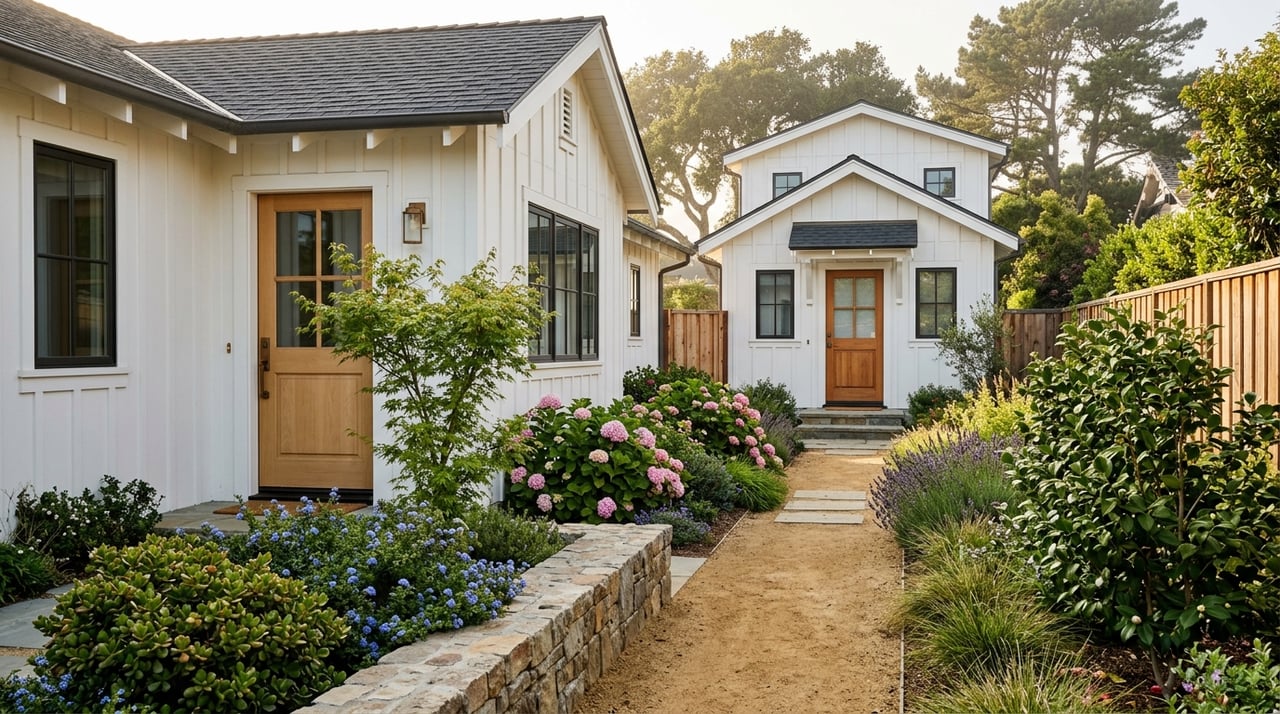
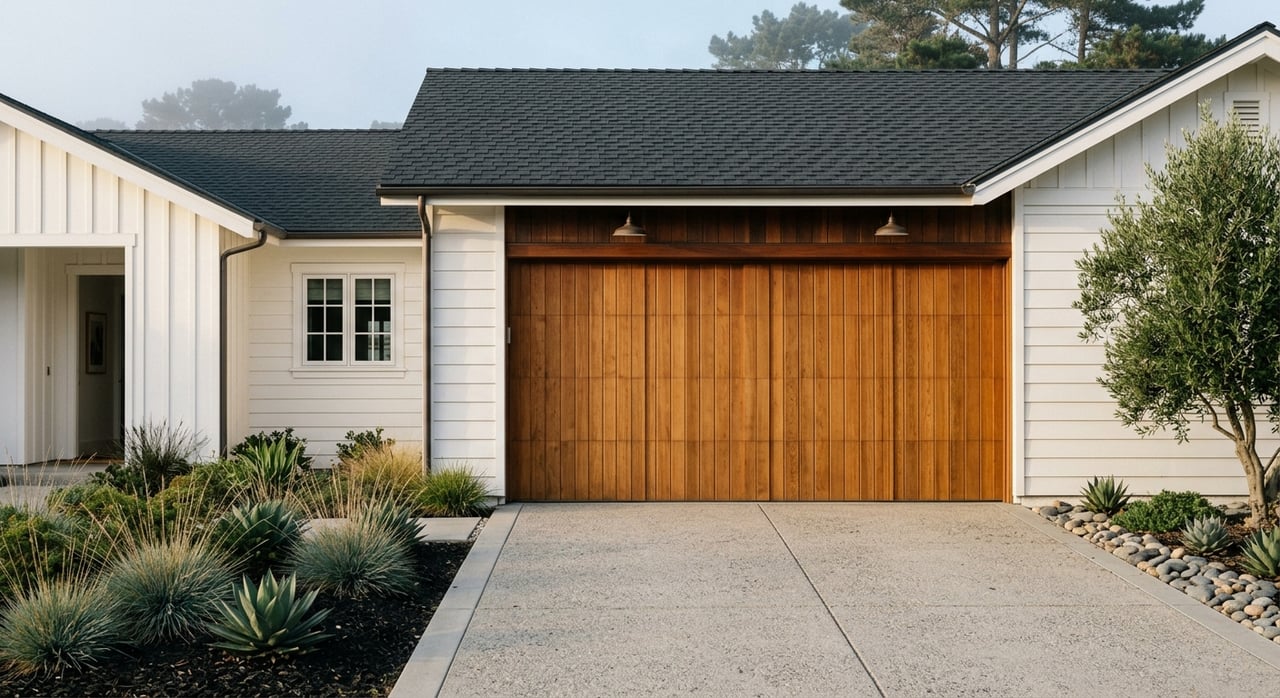
- Landscaping and yard cleanup
- Professional staging
- Carpet cleaning or replacement
- Minor repairs
- Drywall touch-ups
- Junk hauling and decluttering
- Select appliance installation
- Light kitchen or bathroom refreshes
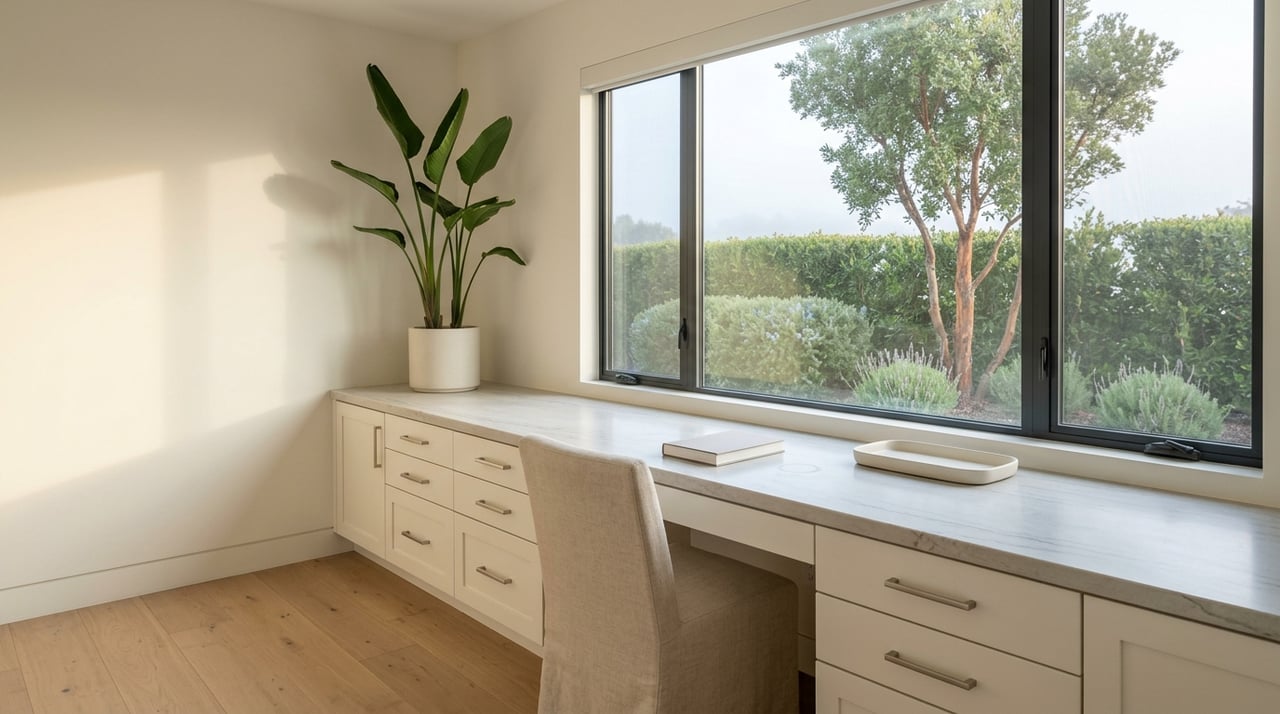
In many cases, this kind of work can make the home feel cleaner, brighter, and more move-in ready without changing the core structure.
Which rooms deserve the most attention
If you are deciding where to spend prep dollars, staging data offers a useful guide. NAR’s 2025 Profile of Home Staging found that the living room was the most commonly staged room at 91%, followed by the primary bedroom at 83%, the dining room at 69%, and the kitchen at 68%.
Buyers’ agents also ranked the living room as the most important room to stage, followed by the primary bedroom and kitchen. That suggests sellers in San Rafael may get the most value by focusing first on the spaces buyers notice fastest in photos, showings, and open houses.
A smart order of operations
For many homes, a practical prep sequence looks like this:
- Declutter and remove excess furniture
- Complete paint and cosmetic repairs
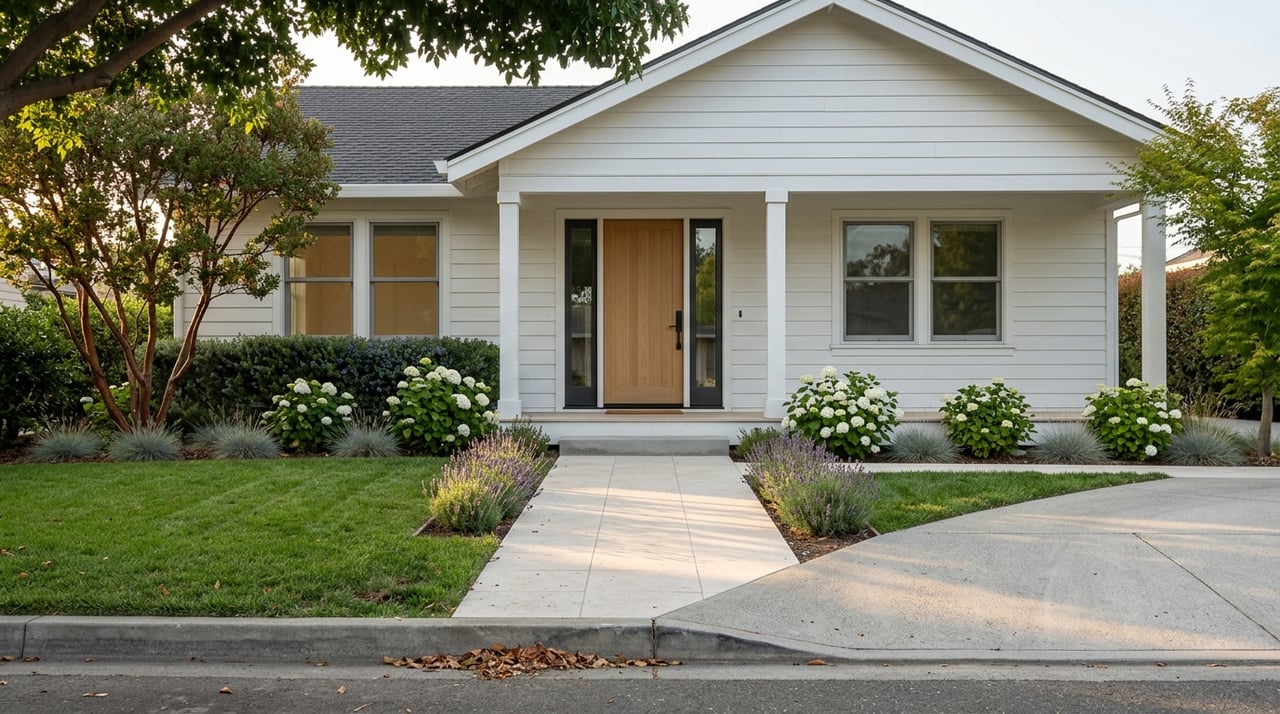
- Refresh landscaping and entry areas
- Deep clean floors, surfaces, and windows
- Stage key living spaces
- Finalize photography-ready styling
This approach supports the main goal of staging, which is to highlight a home’s strengths rather than remodel it.
How the funding and repayment work
One of the biggest reasons sellers explore these programs is cash flow. Public program materials state that there are no upfront costs, hidden fees, interest, liens, or markups for approved work, and that project costs are generally deducted from settlement proceeds when the home closes.
The process is also meant to move fairly quickly. Materials indicate that enrollment confirmation can arrive in less than two days, a project consultant helps scope the work and gather estimates, and sellers typically have seven days to approve completed projects.
If the home sale does not fully cover the balance, the seller may still owe the shortfall under the program agreement. Coldwell Banker’s seller materials also state that repayment may be due upon the earlier of closing, listing expiration, or 12 months after the first job is completed. Because terms can change, you should review the current local agreement closely before enrolling.
How much funding may be available
The exact amount depends on the brokerage and program terms. Legacy RealVitalize materials say caps are often set by the brokerage and commonly fall between $20,000 and $50,000, while the current public Concierge page states there is up to $50,000 of flexibility.
That does not mean every seller should aim for the maximum. In San Rafael, the better strategy is usually to match the prep budget to the property, price point, and likely buyer expectations in that specific submarket.
Why local pricing should shape your prep plan
San Rafael is not a one-price-fits-all market. The research provided shows a wide range of neighborhood price points, from about $480,000 in Southeast San Rafael to nearly $2.0 million on the San Pedro Peninsula.
That matters because prep should be proportional. A smart plan for a condominium, a move-up single-family home, and a higher-end property will not look exactly the same. The goal is not to over-improve. The goal is to make thoughtful updates that support your asking price and appeal in your part of the market.
Where sellers need to be careful
The biggest caution is permitting. Marin County Building and Safety states that most construction projects require a building permit, and the City of San Rafael says building, planning, code enforcement, and fire prevention applications run through its OpenGov portal.
That means electrical, plumbing, and larger alteration work may trigger review, approvals, or inspections. For sellers on a timeline, that can slow down your listing launch if you choose projects that go beyond cosmetic preparation.
Permit-light projects are often easiest
For that reason, broker-backed prep programs are usually easiest to use for cosmetic or permit-light work, such as:
- Painting
- Landscaping cleanup
- Staging
- Cleaning
- Minor non-structural repairs
- Decluttering and hauling
If a project touches systems or involves larger alterations, it is worth checking permit requirements before approving the scope. That step can protect both your timeline and your budget.
How San Rafael sellers use these programs well
The most effective sellers treat a prep program like a strategy tool, not just a funding source. They start with a clear plan, focus on the updates buyers will notice most, and avoid work that could create unnecessary delay.
In practice, that often means improving curb appeal, brightening interiors, simplifying rooms, and staging key spaces so the home feels polished in photos and easy to understand in person. In a market like San Rafael, where homes can move quickly, that kind of preparation can help you enter the market with confidence.
When a prep program makes sense
A broker-backed prep program may be worth considering if:
- You want to improve presentation before listing
- You prefer not to pay eligible prep costs upfront
- Your home would benefit from cosmetic updates or staging
- You want a more coordinated path from prep to market launch
- You need help turning a lived-in home into a polished listing
It may be less ideal if the property needs major structural work or improvements likely to involve extended permit review.
The value of local guidance
Every home has a different prep story. Some properties need just paint, cleanup, and staging. Others need a more tailored plan based on layout, condition, and price point.
That is where local judgment matters. In San Rafael, the right prep strategy should reflect your home’s condition, your timing, and the expectations of buyers in your segment of the market. If you want a clear plan for what to do, what to skip, and how a broker-backed prep program may fit into your sale, Carla Giustino can help you build a thoughtful path to market.
FAQs
What is a broker-backed home prep program in San Rafael?
- It is a program offered through a brokerage that can fund certain approved home prep costs before listing, with repayment usually made from sale proceeds under the program terms.
What projects can a San Rafael seller usually fund through a broker prep program?
- Common eligible categories include painting, landscaping, staging, cleaning, repairs, carpentry, drywall, junk hauling, plumbing, electrical work, appliance installation, and some kitchen or bathroom updates, while structural work is excluded.
How much funding can a San Rafael seller typically access?
- Public materials indicate funding often falls between $20,000 and $50,000, with some current materials stating up to $50,000 of flexibility, depending on brokerage and program terms.
When does a San Rafael seller repay broker prep costs?
- Repayment is typically made from settlement proceeds at closing, and if proceeds are not enough, any remaining balance may still be due under the agreement.
Do permits matter for seller prep projects in San Rafael?
- Yes. Marin County states that most construction projects require a permit, and San Rafael routes related applications through its city portal, so sellers should check permit needs before approving electrical, plumbing, or larger alteration work.
Which rooms should a San Rafael seller stage first?
- Staging data points first to the living room, then the primary bedroom and kitchen as the most important rooms to prioritize.
Is a broker prep program better for cosmetic work or major renovation in San Rafael?
- It is generally a better fit for cosmetic and permit-light improvements that help the home show well, rather than major structural or delay-prone renovation work.