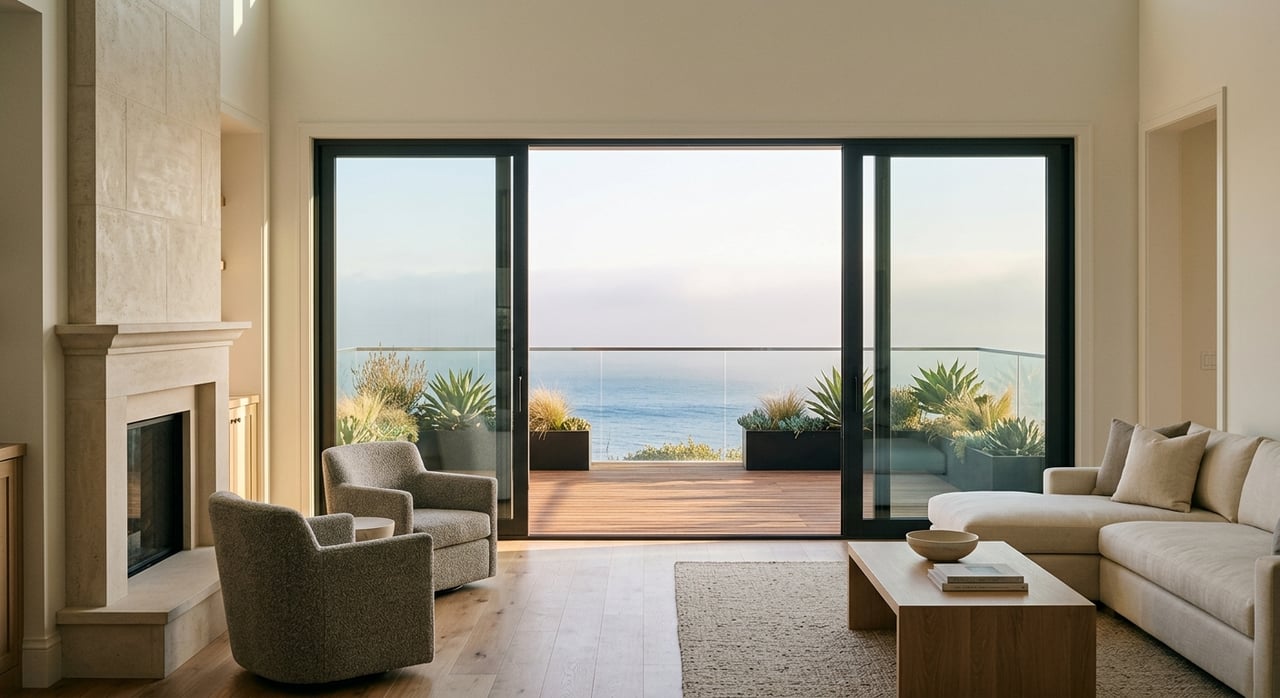
Choosing between Tiburon’s waterfront and hillside areas is not just about the home itself. It is about how you want your days to feel. If you are weighing walkability, views, commute access, privacy, or long-term property considerations, understanding how these two settings differ can help you make a smarter move. Let’s dive in.
How Tiburon’s layout shapes daily life
Tiburon sits on a peninsula that projects into Richardson Bay and San Pablo Bay, and the town describes the peninsula as generally steep. That geography creates a real divide between low-lying shoreline areas and the neighborhoods above them.
In simple terms, the waterfront and the hills offer two different living environments. The shoreline is more connected to downtown activity, ferry access, and public spaces, while the hills are shaped more by slope, elevation, views, and site-specific home design. According to the Town of Tiburon’s sea-level rise and shoreline adaptation information, parts of downtown already flood during major storms, which makes location an important practical consideration.
Waterfront living in Tiburon
Tiburon’s waterfront is the town’s most public-facing and active setting. The downtown area includes historic Main Street, Ark Row, shoreline gathering spaces, and civic amenities along Tiburon Boulevard.
If you picture a compact village atmosphere with easy access to shops, restaurants, parks, and the ferry, this is the part of town that best fits that image. It tends to feel social, connected, and closely tied to the bay.
A more walkable, connected setting
One of the biggest advantages of waterfront living is convenience. Downtown Tiburon brings together the ferry landing, parks, public gathering places, and local businesses in one concentrated area.
That means your day can involve more walking and fewer car trips, especially if you enjoy being near activity. For many buyers, that ease of access is a major draw.
Historic character and a public shoreline feel
The waterfront is also distinct in how it looks and feels. The town’s Downtown Tiburon Design Handbook describes Main Street as a historic district with narrow one- and two-story facades, boardwalks, arcades, and simple storefronts.
That creates a more street-oriented environment than you typically find in hillside areas. The appeal here is not only private living space, but also being part of a recognizable waterfront village setting.
Parks and community spaces nearby
The waterfront side also places you close to several town-owned parks and shoreline amenities. The Town of Tiburon Parks Division notes that parks include Shoreline Park, the Old Rail Trail, Blackie’s Pasture, Zelinsky Park, and Elephant Rock Pier.
Shoreline Park, located next to downtown at the southern tip of the peninsula, also hosts community festivals. If you value being near outdoor space and community events, that can shape your experience in a meaningful way.
Ferry access is a major benefit
For commuters or anyone who values regional connection, the waterfront has a clear edge. The Golden Gate Ferry terminal information states that the Tiburon Ferry Landing is located at the foot of Tiburon Boulevard in downtown Tiburon and that Tiburon service is currently weekday commute service only.
If ferry access is central to your routine, being near downtown can be a major advantage. It simplifies daily movement and supports a more transit-oriented lifestyle.
Hillside living in Tiburon
Hillside living in Tiburon offers a very different rhythm. Instead of a compact, public-facing setting, the hills are generally more shaped by privacy, topography, and long-range outlooks.
For many buyers, the appeal is a greater sense of separation from the busiest parts of town. The trade-off is that hillside properties often come with more site-specific design and permitting considerations.
Views often feel broader and more elevated
If you are drawn to expansive panoramas, the hills may be the stronger fit. Waterfront homes offer immediate bay and shoreline views, but hillside homes often provide higher, longer-range vantage points over the Bay and surrounding landmarks.
That elevated perspective is one of the defining features of hillside living. It often feels more removed and visually sweeping than the waterfront edge.
Privacy matters more in hillside settings
The town’s materials show that hillside development is closely tied to privacy and view protection. The permit guide notes Tiburon’s heightened concerns about geologic, topographic, and climate conditions, along with view protection, privacy, and aesthetics.
For buyers, that means hillside living is often less about a uniform neighborhood pattern and more about how each home fits its site. Privacy, setbacks, and orientation tend to matter more here.
Design is often shaped by slope
Steep lots influence how homes are built, renovated, and reviewed. A town staff report covering East View Avenue and Corinthian Island design review describes steeply sloped small lots, visibility from lower streets, and repeated variance requests related to setbacks, lot coverage, height, and floor-area ratio.
In practical terms, hillside homes often require more tailored design solutions. Terracing, retaining walls, stepped massing, and careful placement can all play a role.
View corridors are a real consideration
Tiburon’s hillside design process is highly view-conscious. The town’s design-review guidance gives greater protection to views from primary living areas and decks, while treating the horizon line and center of a view as especially sensitive.
This matters if you are thinking about future renovations or additions. In hillside areas, changes can involve more review because they may affect neighboring views or privacy.
Key trade-offs to think about
Neither setting is objectively better. The better fit depends on how you want to live, what trade-offs you are comfortable with, and what property issues you want to manage over time.
Here is a simple side-by-side comparison:
| Consideration | Waterfront Tiburon | Hillside Tiburon |
|---|---|---|
| Daily feel | Active, social, village-oriented | More private, quieter, site-specific |
| Walkability | Strongest in and near downtown | More limited, depends on location |
| Commute access | Best access to ferry landing | Less direct ferry access |
| Views | Immediate shoreline and bay views | Higher, broader panoramic views |
| Flood exposure | Greater in low-lying areas | Lower than shoreline areas |
| Project complexity | May involve shoreline-related review | May involve slope, grading, and view-related review |
Flood risk is a major waterfront factor
The clearest practical downside on the waterfront is flood exposure. The town’s sea-level rise adaptation page says parts of downtown already flood during major storms and identifies much of Downtown Tiburon, the Cove and Boardwalk shopping center areas, and portions of Paradise Cay and Bel Aire as vulnerable over time.
The same page states that sea level rise of 10 to 25 inches by 2040 is likely, with 60 inches or more by the end of the century. If you are considering a waterfront purchase, this is an important part of your due diligence.
Permitting can be complex in both settings
One common mistake is assuming only hillside homes come with added complexity. In reality, both waterfront and hillside properties can involve specialized review, just for different reasons.
The town’s permit overview explains that waterfront properties may trigger review for bulkheads, fixed piers, and fixed gangways. Hillside projects may trigger review for grading, excavation, retaining walls, decks, height, and other view-sensitive changes.
That means your long-term plans matter. If you know you want to renovate, expand, or rework the site, the property’s setting can affect what that process looks like.
Which lifestyle fits you best?
If you want the easiest access to downtown, parks, the ferry, and community activity, the waterfront is often the better match. It supports a more walkable and connected routine, with the bay always close at hand.
If you want more elevation, more separation from busy public spaces, and a stronger emphasis on privacy and broad views, the hills may be a better fit. In many ways, the choice comes down to whether you prefer a village-edge lifestyle or a more tucked-away residential one.
As you compare options in Tiburon, it helps to look beyond the photos and ask how the location will shape your everyday life, future plans, and comfort with property-specific considerations. If you want experienced guidance on Tiburon’s waterfront and hillside homes, Carla Giustino can help you evaluate the trade-offs and find the right fit for your goals.
FAQs
Which part of Tiburon is more walkable: waterfront or hillside?
- The waterfront, especially near downtown, is generally more walkable because it places you closer to the ferry landing, shops, parks, civic spaces, and gathering areas.
Which part of Tiburon has more flood risk: waterfront or hillside?
- The waterfront and other low-lying shoreline areas have more flood exposure, according to the Town of Tiburon’s sea-level rise and adaptation materials.
Which part of Tiburon usually offers broader views: waterfront or hillside?
- Hillside homes usually offer higher and longer-range views, while waterfront homes tend to offer more immediate shoreline and bay views.
Which part of Tiburon feels more private: waterfront or hillside?
- Hillside living generally feels more private because homes are more shaped by topography, setbacks, view protection, and site-specific design.
Which part of Tiburon is better for ferry commuters?
- The waterfront is usually better for ferry commuters because the Tiburon Ferry Landing is located in downtown Tiburon.