Ever wondered what it is like to trade a driveway for a gangway and wake up to the tide? If you are drawn to the water but unsure about fees, rules, and day-to-day realities, you are not alone. In this guide, you will learn how Sausalito’s floating-home communities work, what it costs to live there, how leases and regulations affect you, and how it compares to Marin’s other waterfront options. Let’s dive in.
Sausalito floating homes at a glance
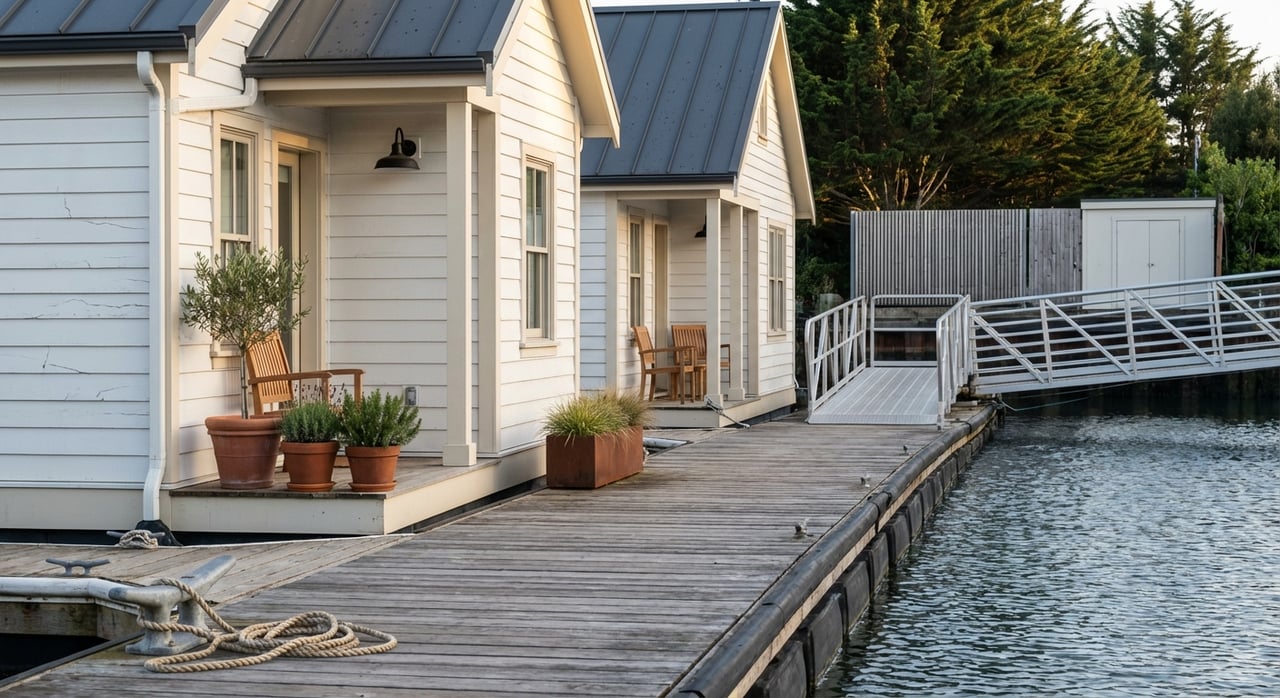
Sausalito’s floating homes sit on Richardson Bay just off Bridgeway, visible from the waterfront path and even on certain ferry approaches. You will see a mix of modest vintage residences and architect-designed showpieces, set against marinas and marsh. For a quick visual introduction, explore this overview of the houseboat scene from a Bay Area feature on the community’s look and history. You can get a sense of the setting from this walkable snapshot of Sausalito’s houseboats.
Across Marin’s permitted docks, the floating-home community numbers roughly in the low hundreds, commonly cited as about 400-plus homes. That figure reflects the permitted, shore‑connected floating homes rather than informal liveaboards or anchored vessels. For a grounding in local definitions and context, see the community resources at the Floating Homes Association.
Richardson Bay is a specially managed water body. Regional agencies have been reducing long-term anchoring and expanding eelgrass protection, which shapes where people may legally live on the water. You can read about the recent enforcement milestones and habitat work through the Richardson Bay Regional Agency’s 2025 update. These policies mainly affect anchor-outs, not permitted floating-home docks, but they are important background for anyone exploring life on the bay.
How docks and leases work
What you own vs. what you lease
In Sausalito, you usually buy the floating structure itself and lease the berth from a marina operator. The berth lease sets your monthly berth fee, parking rights, maintenance obligations, and lease length. Some marinas have historically used 10-year or longer leases. How a lease handles rent increases and whether the rent resets on sale can materially change your long-term costs. Ask for the exact lease form and any addenda before you make an offer.
Utilities, walkways, and daily access
Floating homes connect to shore power, water, and sewer systems via dock infrastructure. You reach your door by a gangway and shared dock walkways, which can slope more at low tide. Owners manage shore cables and mooring lines carefully to prevent strain. Local harbor notices often cover electrical safety, pump schedules, and outage protocols. For a feel of real dock communications, review the posted guidance from Waldo Point Harbor notices.
Permits and oversight
Marin’s floating-home docks operate under permits and conditions tied to the Bay Conservation and Development Commission and the County. That oversight can affect dock modifications, capital projects, and in some cases berth counts. You can track regional enforcement themes in updates like the BCDC’s enforcement committee agenda and materials.
Lease rules and AB 754 in Marin
In 2025, California enacted AB 754, a Marin-specific amendment to the Floating Home Residency Law. It sets CPI-based limits on many annual berth fee increases and preserves certain long-lease mechanisms and vacancy rules. The law matters because it can cap how much your berth rent may rise each year and can define what happens to rent when a home sells. Always confirm whether your prospective lease is governed by AB 754’s Marin provisions and whether it is a long-term lease with any special terms.
What it costs to live on the water
Sale prices
Sale prices vary by dock, size, age, and view. Recent reporting places many Sausalito floating-home transactions in the $1 million-plus range, with commentary around a median-type figure near about $1.5 million. Your result depends on condition and location, so check current comps and verify listing specifics. For local context and community reaction to berth rules, see Latitude 38’s overview of pricing and rent-control changes.
Berth fees and ongoing charges
Monthly berth fees are paid to the marina and can vary widely by dock and lease structure. Public references have cited a small Sausalito dock with average berth fees in the mid-thousands per month, while a canal marina like Tiburon’s Paradise Cay posts smaller-boat slip rates publicly in the hundreds per month and highlights gated parking. These examples show how floating-home marinas and canal marinas operate differently. If you want a benchmark for public rate posting and parking setup on canal marinas, review the Paradise Cay Yacht Harbor site. For Sausalito floating-home listings, expect to verify current berth fees directly with the marina or the listing agent, then factor in how AB 754’s CPI-based rules may limit future increases.
Property taxes and assessments
Floating homes are assessed as real property in Marin. That means you pay property taxes and receive standard homeowner tax protections under state rules. For definitions, assessment practice, and FAQs, consult the Marin County Assessor’s floating-home page.
Insurance and financing
Lenders and insurers serve this niche, but underwriting and premiums can differ from land-based homes. Work with a mortgage broker and insurance agent who routinely place floating-home loans and policies. The local Floating Homes Association has supported lender and insurer engagement for years, and it also funds safety programs across the docks. You can read more about those efforts through the Floating Homes Association’s updates.
Daily life: what to expect
Parking and getting around
Parking is often limited at Sausalito’s floating-home docks. Some marinas provide a set number of assigned spaces and manage guest passes. Others rely on nearby parking with permits or time limits. The upside is walkable access to Sausalito services along Bridgeway, but you should plan ahead for visitors and second cars.
Power, sewer, and outage plans
Most floating homes are tied to shore power and sewer through pumps or ejectors that require electricity. During outages or Public Safety Power Shutoffs, marinas may issue instructions about pump schedules and generator use. Owners often keep battery or generator backups. Electrical safety at pedestals and proper strain relief on cables are everyday best practices, with reminders commonly included in harbor notices.
Waste, deliveries, and maintenance
Docks typically centralize trash and recycling and may charge fees for construction debris. Expect routine marina maintenance on pilings, decks, and pedestals. Ask for recent or planned capital projects so you can anticipate any special assessments or temporary access limits.
Safety and emergency preparation
Floating-home communities prioritize safety and coordination. Many docks organize CERT-style training, maintain radios, and keep pumps or hoists ready for emergencies. Proper electrical upkeep is a recurring theme on narrow wooden docks. To understand community safety investment, review the Floating Homes Association’s programs.
Environmental and regulatory risk
Because Richardson Bay is actively managed, environmental rules can change how the water is used. RBRA’s eelgrass protection and anchor-out reduction programs show how policy can shift the local picture over time. Sea-level planning and shoreline resilience can also drive dock-by-dock capital work. When you evaluate a purchase, note whether the marina’s permits are current and whether any adaptation projects are anticipated.
Sausalito vs. nearby options
Tiburon and Paradise Cay
Paradise Cay is a canal neighborhood with backyard docks and a public marina that posts month-by-month slip rates and features like gated parking. It functions more like a land subdivision with boat access than a classic floating-home harbor. That structure often means different parking availability and berth pricing models than Sausalito’s floating-home docks. The Paradise Cay Yacht Harbor site is a useful example of how canal marinas present rates and amenities.
San Rafael and other Marin marinas
San Rafael, Larkspur, and other Marin towns host conventional marinas and yacht clubs that serve recreational boats and some liveaboards. They do not have the same concentration of permitted floating-home docks that you find in Sausalito. Lease terms, tax treatment, and oversight differ, so confirm which rules apply when you compare options across the county.
What to check before you buy
Use this quick checklist as you tour docks and review listings. A few targeted questions can save you from surprises later.
- Lease and berth terms: What is the current monthly berth fee? How often can it increase, and by how much? Does the rent reset on sale? Is the lease transferrable, and what is the remaining term? Ask whether terms reflect AB 754’s Marin rules and if the berth is under a long-lease structure.
- Parking and access: Is an on-site space included? How are guest passes handled? How far is it to transit, groceries, and services? Visit at different times of day to gauge parking and dock traffic.
- Utilities and systems: Confirm electrical service type, shore water, and sewer hookup details. Ask about pump systems, PSPS plans, and any generator or solar setups referenced in marina notices like those at Waldo Point Harbor.
- Insurance and financing: Will your lender finance this specific dock and lease type? Do you have quotes from insurance providers who cover floating homes? Consider referrals from brokers and resources like the Floating Homes Association.
- Permits and environmental context: Is the marina’s permit current? Are there active regional programs or eelgrass zones nearby that could affect future projects? Review regional enforcement updates such as the BCDC’s enforcement committee materials and RBRA bulletins.
Ready to explore your options?
If the water’s edge feels like home, you deserve a clear path from research to keys. With decades of Marin experience and a concierge approach to complex properties, our team can help you compare docks, decode leases, and coordinate the right inspectors, lenders, and insurers for a smooth purchase. Start the conversation with Carla Giustino for a complimentary Marin market consultation.
FAQs
How many floating homes are in Sausalito and Marin?
- Marin’s permitted floating-home docks are commonly described as totaling about 400-plus homes, reflecting the concentrated communities on Richardson Bay.
How does AB 754 affect berth rent in Marin?
- AB 754 sets Marin-specific, CPI-based limits on many annual berth fee increases and preserves certain long-lease and vacancy rules, so always review whether a lease is subject to these terms.
What are typical monthly costs beyond a mortgage?
- Expect a monthly berth fee, utilities, and insurance; some docks also charge periodic maintenance or capital assessments based on upcoming projects.
Can you get a mortgage on a Sausalito floating home?
- Yes, specialized lenders and mortgage brokers finance floating homes, though underwriting and terms differ from land homes; work with professionals who know this niche.
What is day-to-day access like on the docks?
- You reach your home by a gangway and shared walkways that can slope at low tide; parking is often limited or permitted, and visitor access may require planning.
How are utilities handled on floating homes?
- Homes tie into shore power, water, and sewer through dock systems; pump schedules and outage protocols are common, and many owners keep backup power sources.