Wondering if you should list your Tiburon home now or wait for spring? You are not alone. Timing matters, but the truth is that preparation and presentation often drive your outcome more than the calendar. In this guide, you will get a clear decision framework, Tiburon-specific seasonal insights, a prep timeline you can use right away, and strategies for waterfront and luxury listings. Let’s dive in.
Your timing decision, simplified
A simple rule of thumb guides the decision. Readiness beats the calendar. If you can bring a well-prepared, well-priced property to market, you can win in any season. Spring usually adds more buyers, but it also brings more competition.
Use this quick checklist. If most answers are yes, listing sooner is reasonable:
- Your home is market-ready, with major repairs handled and solid curb appeal.
- Professional photos, staging, and marketing assets can be scheduled within 2 to 6 weeks.
- Comparable inventory is limited or trending down in your price band.
- Your personal timing and financial considerations favor moving now.
When waiting for spring helps
There are valid reasons to hold for spring if any of these apply:
- Your home needs landscaping or exterior painting for best first impressions.
- You want to match the spring buyer surge with a fully polished launch.
- Local winter data in recent years show longer days on market and softer pricing.
Seasonality in Tiburon
Buyer activity in Marin, including Tiburon, generally rises in late winter and peaks in spring and early summer. Listings rise too, so you get more buyers and more direct competition at once. Families often aim to move in summer, which boosts spring demand. Lifestyle and second-home buyers engage more when the outdoor waterfront appeal is easy to see.
Tiburon also draws high-end buyers who value views and waterfront access. These buyers can be less sensitive to the calendar and more focused on rarity and listing quality. The Bay Area job market and commuting patterns can also influence demand, as can mortgage rate shifts.
Practical takeaways for sellers
- Spring offers greener landscaping, warmer light, and strong visuals for photos.
- Winter can work in your favor if inventory is thin and your presentation stands out.
- Unique waterfront or view homes often sell off-cycle when marketed to the right audience.
Track these market indicators
Before you decide on timing, watch the local data for 4 to 6 weeks. Focus on:
- New listings and active inventory
- Pending sales
- Median and average sold price
- Days on market
- Sale-to-list price ratio
- Absorption rate or months of inventory
How to read them
- Rising inventory with falling pendings and longer days on market means buyer power is growing. Be careful about waiting if spring brings even more inventory.
- Low inventory with steady or rising pendings supports a seller advantage. Listing now may capture demand before competition increases.
- Watch sale-to-list percentage. If homes are selling at or above list through winter, demand is present year-round.
- Remember Tiburon’s micro-markets. Waterfront, hillside, and downtown flats can move differently. Move-in-ready smaller homes can perform well any time.
Waterfront and view homes: timing and presentation
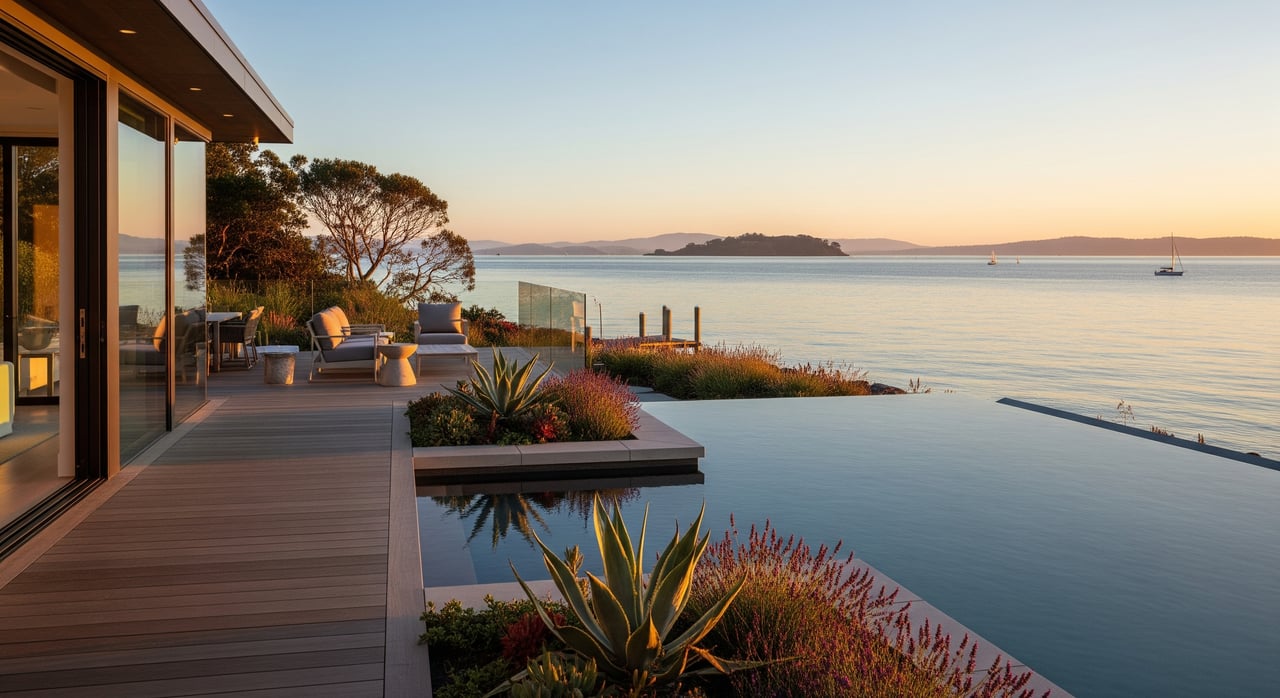
If your home showcases water, a dock, or expansive views, you are selling a lifestyle as much as a property. Presentation choices can tip the scale regardless of month.
Key steps for waterfront listings:
- Plan exterior photos around the best light and calm water. Coordinate with favorable tide levels when possible.
- Feature outdoor living with drone footage, walk-through video, and professional twilight photography.
- Prepare documentation in advance. Have permits for docks or lifts, HOA or marina rules, fees, flood zone information, and shoreline or seawall history ready for buyers. This reduces friction in escrow.
Photo and video strategy by season
- If listing in winter, invest in seasonal container plantings, fresh mulch, and turf cleanup. Stage interior warmth with layered lighting, inviting textiles, and a clean, minimalist look that highlights views.
- Use twilight and drone photos to offset lower daylight quality. High-quality video helps buyers see the lifestyle even when gardens are dormant.
- If listing in spring, capture outdoor spaces in use. Showcase decks, terraces, gardens, and docks with lifestyle vignettes or tasteful virtual staging for outdoor areas.
Pricing strategies that fit the season
Your pricing approach should match both your readiness and market momentum.
- Price to current market. Align with recent comparable sales to draw serious buyers quickly.
- Strategic underpricing. This can spark multiple offers in low-inventory conditions, but it is riskier in slower winter markets.
- Hold or return strategy. You can list now with a clear threshold for activity. If the market response is soft, you can regroup and relaunch in spring. Manage perception carefully if you withdraw and relist.
Prep and marketing runway
A strong launch is planned, not rushed. Build your timeline around what your home needs and the assets your marketing will require.
Typical timelines by task:
- 4 to 8 weeks: repairs, contractor work, major painting, and landscaping improvements
- 2 to 4 weeks: decluttering, deep cleaning, staging, interior and exterior photography, and drone
- 1 to 2 weeks: finalize marketing materials, complete pre-list inspections if desired, and assemble disclosures and waterfront documents
Here is a 6-week fast-track plan if you want to move soon:
- Week 1: Strategy session, comparative market analysis request, and contractor walk-through. Approve budget and scope.
- Week 2: Minor repairs begin. Start decluttering and storage. Order preliminary title and gather dock or HOA documentation.
- Week 3: Complete paint touch-ups, lighting upgrades, and landscaping refresh. Schedule staging and photography.
- Week 4: Staging install. Shoot interior, exterior, drone, and twilight images. Capture video and lifestyle shots.
- Week 5: Finalize marketing package, disclosures, and inspection reports. Soft-launch to agent networks and qualified buyer lists.
- Week 6: Go live. Host first open weekend, then private showings and midweek broker previews.
Two sample scenarios
- A well-prepared winter listing with limited competition. If your home is clean, staged, priced to the market, and photographed beautifully, it can stand out in a thinner field and attract serious, motivated buyers.
- An unprepared spring listing in a crowded market. Even with more buyers, a home that needs work or lacks polished presentation can get overlooked, sit longer, or invite discounted offers.
The takeaway is simple. Pulling forward excellent preparation often beats waiting for a better month with average presentation.
Next steps and support
If you are on the fence, follow a clear process:
- Request a local comparative market analysis for the past 12 to 24 months, with monthly new listings, pendings, sold prices, days on market, and sale-to-list ratios by micro-market.
- Estimate prep costs and timing. Decide whether a 2 to 6 week condensed plan can get your home show-ready.
- Pressure-test pricing. Compare listing now with a calibrated price versus waiting for spring with potentially more competition.
- Monitor weekly indicators for 4 to 6 weeks. Set a firm go or no-go date.
If you need help with prep and presentation, Carla’s team offers white-glove coordination with access to broker-backed programs that can fund approved improvements and staging to elevate results. You also benefit from national and international exposure through a luxury marketing platform that reaches qualified buyers.
Ready to make a plan tailored to your home and timeline? Request a complimentary Marin market consultation with Carla Giustino.
FAQs
Will I get a better price if I wait for spring in Tiburon?
- Not necessarily. Spring brings more buyers but also more competing listings, so a show-ready, well-priced home can perform strongly now.
Should I delay listing because my landscaping looks dormant in winter?
- Only if landscaping is a primary selling point and you cannot improve it quickly. Seasonal planters, cleanup, and high-quality interior and twilight photos can offset winter visuals.
Do Tiburon waterfront homes take longer to sell than non-waterfront homes?
- They can, mostly due to a smaller buyer pool and added due diligence for docks, permits, and shoreline details. Proactive documentation helps shorten timelines.
How long does it take to prepare a typical Tiburon home for market?
- Plan for 4 to 8 weeks for meaningful repairs and staging, or 2 to 4 weeks for focused cosmetic prep if the home is already close to show-ready.
What market indicators should I watch before deciding when to list?
- Track inventory, new listings, pending sales, days on market, recent sale prices, and sale-to-list ratios in your specific micro-market for 4 to 6 weeks.